A.T. Still's principles meeting modern AI

Still's PrinciplesMeet Modern AI

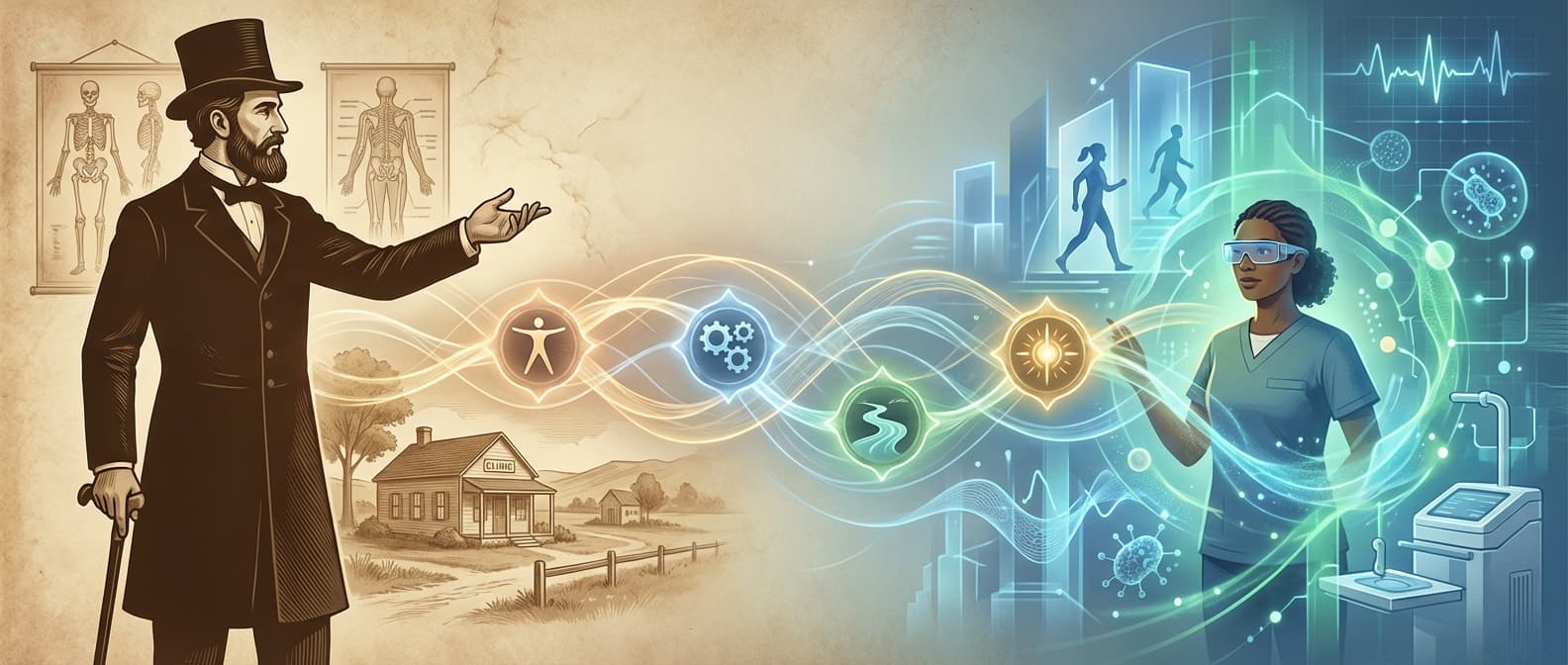
In 1874, A.T. Still articulated four principles that would become the foundation of osteopathic medicine. These aren't historical artifacts—they're a framework for how we should evaluate and implement any new technology, including AI.

The body is a unit
1

The body is a unit

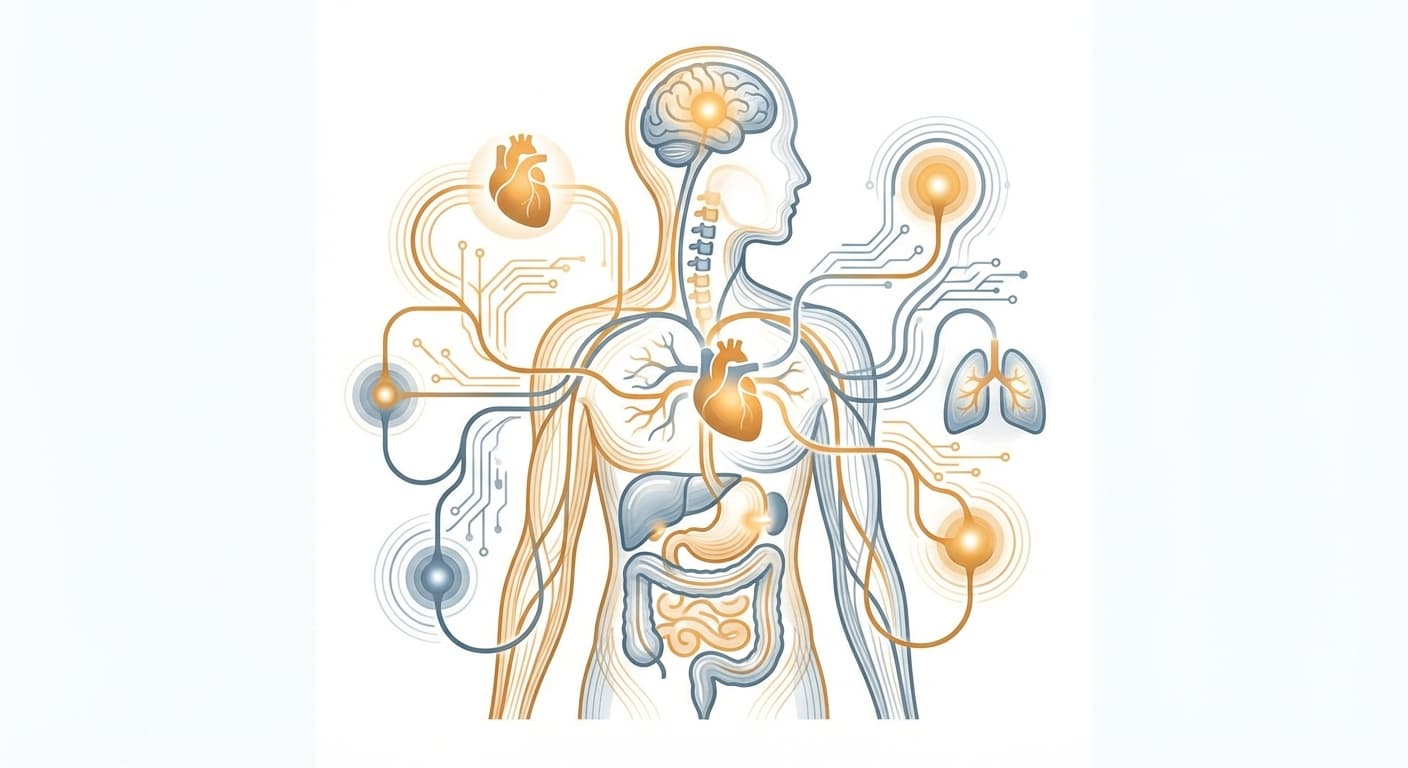
The person is a unit of body, mind, and spirit. All systems are interconnected and must be considered as a whole.

"To find health should be the object of the doctor. Anyone can find disease."

— A.T. Still
AI Application: Whole-person data integration

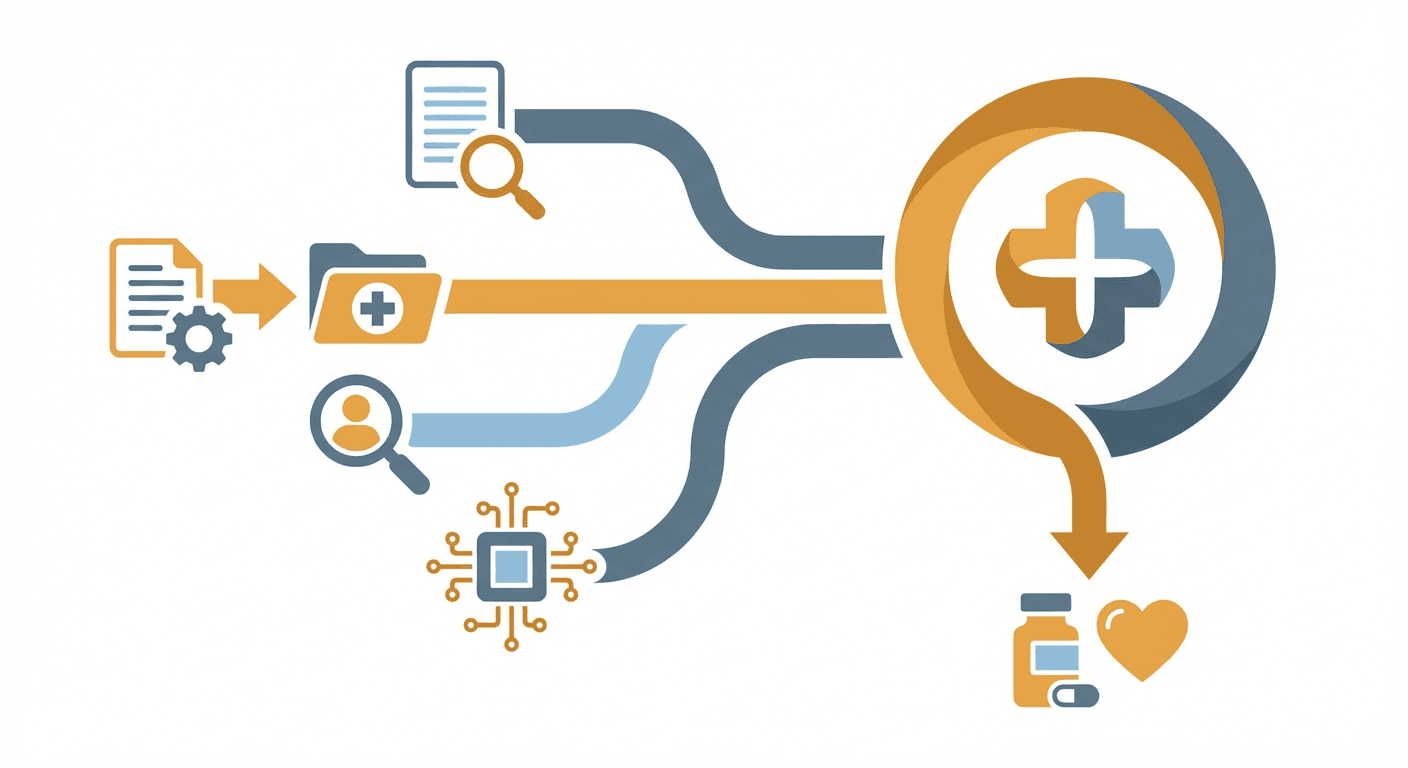
AI aggregates patient data across systems—labs, imaging, medications, social history—enabling predictive analytics for holistic health patterns. Instead of siloed information, you see the complete picture.

In Practice:

  • Pre-visit summaries that pull together recent labs, medication changes, and ER visits across health systems
  • Risk stratification that combines clinical data with social determinants of health
  • Population health dashboards showing which patients need proactive outreach
Implementation Playbooks
Try This Today

Review your last 5 complex patients. How many clicks did it take to see their full picture? AI can reduce that to one.
The body possesses self-regulatory mechanisms
2

The body possesses self-regulatory mechanisms

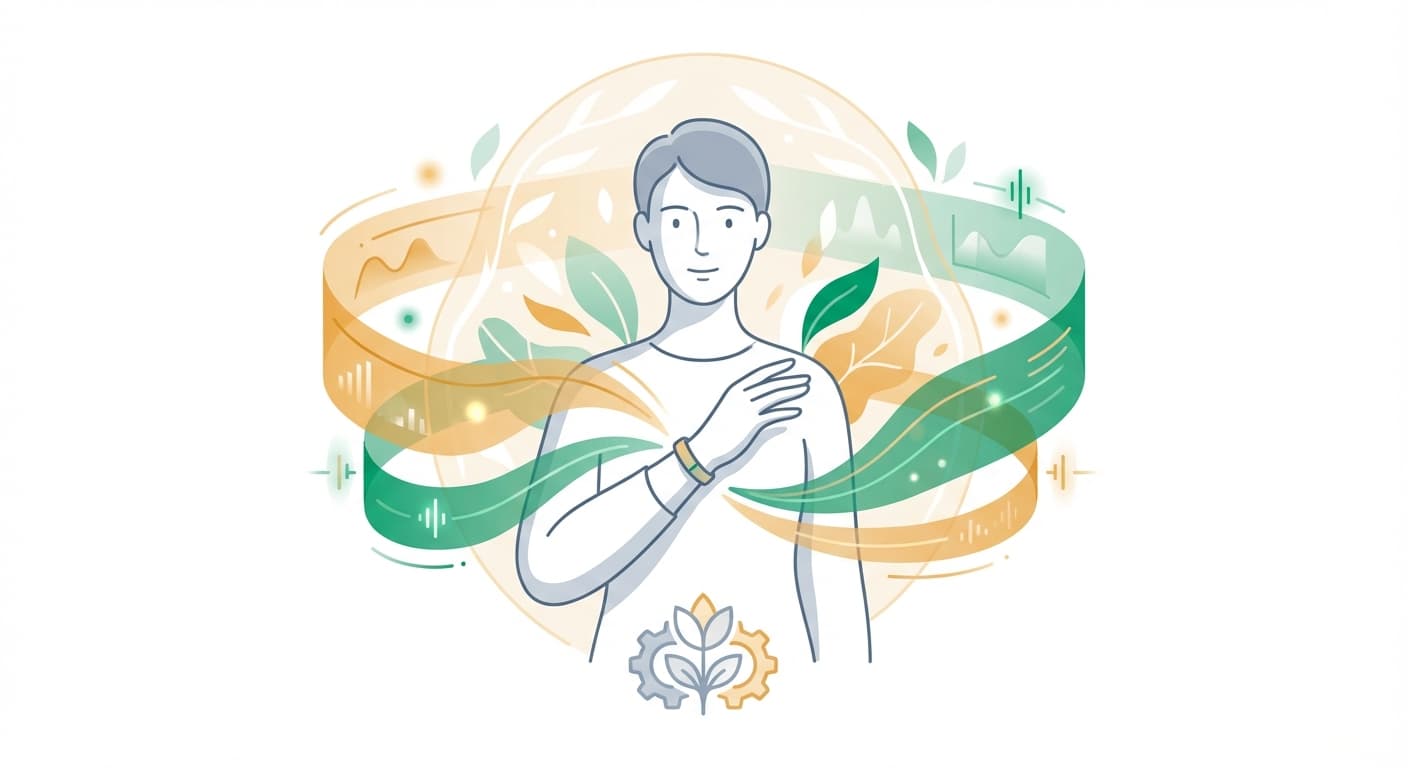
The body has an inherent capacity to defend, repair, and regulate itself. The physician's role is to support these mechanisms.

"The rule of artery and vein is universal in all living beings, and the osteopath must know that and abide by its rulings, or he will not succeed."

— A.T. Still
AI Application: Predictive health monitoring

AI identifies when the body's self-regulation is failing before symptoms become severe. Early intervention triggers help physicians act at the optimal moment to support natural healing—not too early (unnecessary intervention), not too late (crisis management).

In Practice:

  • Sepsis prediction algorithms that alert hours before clinical deterioration
  • Chronic disease management alerts for A1c trends, weight changes, or blood pressure patterns
  • Post-surgical monitoring that detects complications earlier than scheduled follow-ups
Try This Today

Identify 3 patients whose last hospitalization might have been prevented with earlier intervention. What data would have predicted it?

Structure and function are reciprocally interrelated
3

Structure and function are reciprocally interrelated

Abnormal structure leads to abnormal function, and vice versa. Treatment addresses both structural and functional components.

"The body of man is God's drug store and has in it all the liquids, drugs, lubricating oils... the work of the osteopath is to adjust the body from the abnormal to the normal."

— A.T. Still
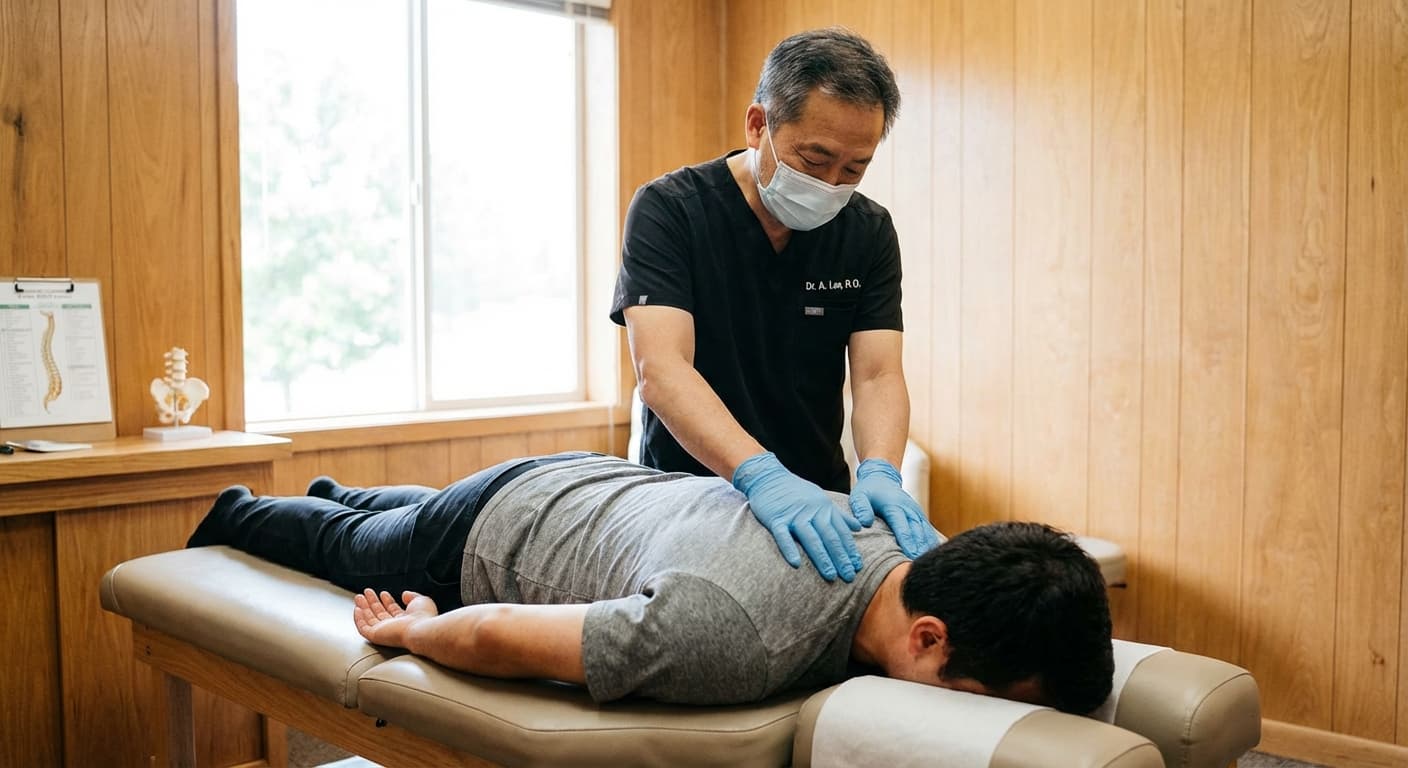
AI Application: OMT documentation & outcome tracking

AI helps document structural findings and functional improvements systematically, building an evidence base for OMT effectiveness. Natural language processing captures findings you'd otherwise have to template. Outcome tracking validates what DOs have known: when structure improves, function follows.

In Practice:

  • Voice-to-text documentation of somatic dysfunction findings during the exam
  • Pre/post functional outcome tracking (pain scales, ROM, functional status)
  • Pattern recognition across your OMT patients to identify what techniques work best for which presentations
Try This Today

Time yourself documenting one OMT encounter. Then explore how AI scribes could capture that in real-time while you focus on the patient.

Rational treatment is based on these principles
4

Rational treatment is based on these principles

Treatment should integrate all three principles above. The osteopathic physician uses knowledge, hands-on skills, and the body's own healing capacity.

"An osteopath reasons from his knowledge of anatomy. He compares the work of the abnormal body with the normal body."

— A.T. Still
AI Application: Evidence-based decision support

AI provides synthesized evidence and clinical decision support while you provide the hands-on assessment and clinical judgment. The combination creates integrated treatment planning that honors osteopathic principles—data-informed but physician-directed.

In Practice:

  • Differential diagnosis assistance that considers your clinical findings alongside lab/imaging data
  • Drug interaction checking that accounts for the patient's full medication list and comorbidities
  • Treatment planning that synthesizes guidelines with individual patient factors
Try This Today

Think of a recent diagnostic puzzle. Would having AI synthesize the latest evidence have changed your approach?

"AI doesn't replace the osteopathic approach—it amplifies it. The question isn't whether to use AI, but how to use it in ways that honor these principles and serve the whole patient."

Ready to See Where You Stand?

Take our AI Readiness Assessment to discover which osteopathic principles you can enhance with AI technology in your practice.